
Why the Module?
It is much easier for humans to think about the future we fear than the future we desire. Defining where we want to be going as a society in precise terms will help us decide what we stand for and what we aspire to.
What will it cover?
- Difficulty in imagining the future
- Visualizing different perspectives on the future
- Playing with AI image generators to imagine the future

Would you want to live in a Utopia? Of course you would! Utopias are perfect societies where nobody is deprived and everyone is happy. Sounds good right? But what exactly do we mean with the perfect society…? The basics are obvious, good food, healthy people, no poverty, but once you start thinking beyond the fundamental necessities for humans it becomes tricky.
It requires nothing less than imagining the future and what goal you have for the future. Is your desired future a society oriented around spirituality? Or is it one centered on ecological balance? Is it characterized by egalitarianism, or is it based on technology? All of these options result in radically different world views. Just have a look at these (AI generated) ideas of Utopia!

Study Room
This study room explores how to incorporate values that you want to build your utopia for AI on. It examines how to be aware that one person’s utopia is another person’s dystopia. It also explores the importance of cultural preferences and societal path dependency
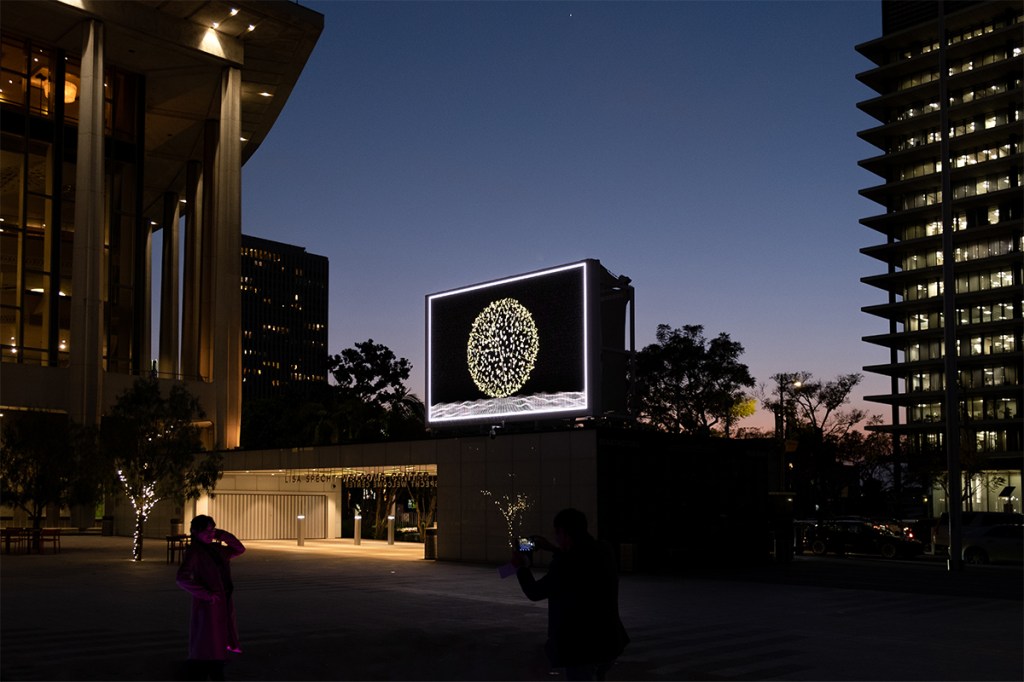
Check out this artwork from iRegular titled “Our Common Home” which goes into the interconnectedness of humanity and the environment, emphasizing themes of environmental sustainability and social responsibility. Through visual elements, the artwork explores the role of artificial intelligence (AI) in addressing global challenges such as climate change, biodiversity loss, and social equity. The work portrays AI as a tool for environmental monitoring, conservation efforts, and sustainable development, while also underscoring the importance of ethical considerations and community engagement in utilizing AI for the betterment of our shared planet.
In this article, the Forbes Agency Council discusses the future trajectory of artificial intelligence (AI), including emerging trends, predictions, and potential impacts across various industries. It offers insights into how AI technologies are expected to evolve and shape the future landscape.

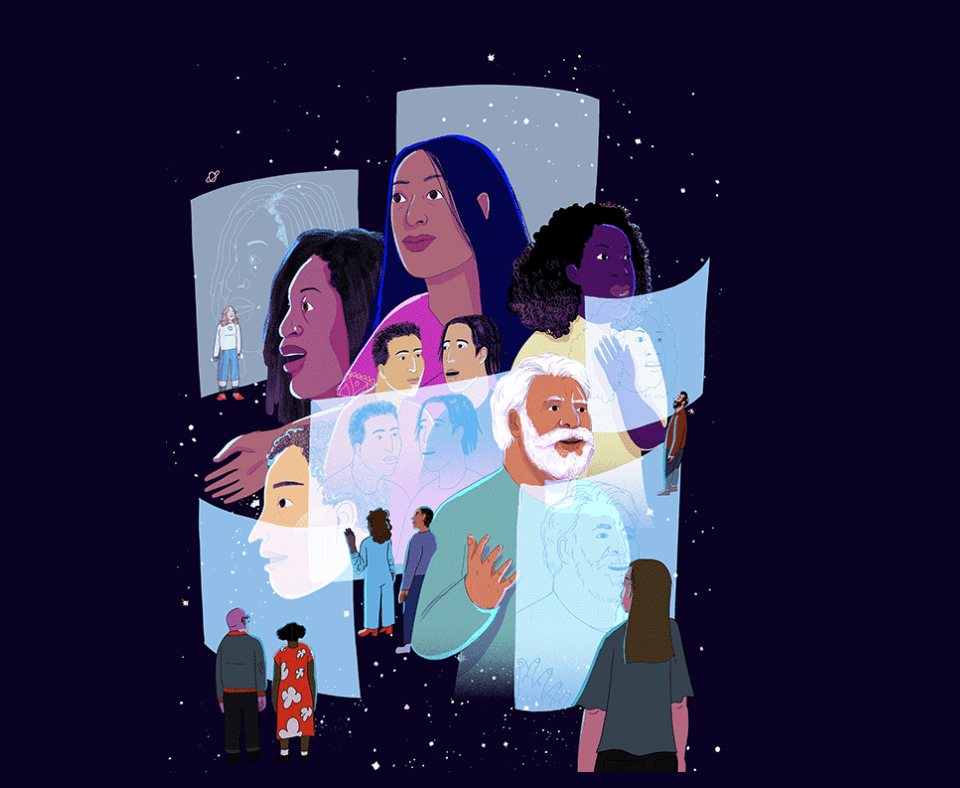
Finally, Parables of AI in/from the Majority World is a unique project which presents a collection of unique stories about how different individuals from across the global encounter AI in their daily lives. The stories travel across Africa, Latin America, the Middle East, and South Asia. These stories delve into various themes such as postcolonial computing, data extractivism, dignity, solidarity, and data justice. You can go through the anthology here:

Activity Room
After going through some of the stories in Parables of AI in the study room, try writing your own “Parable of AI”. Think about how you would describe a day-to-day encounter with AI that you have experienced. Jot your experience down in as many words you like.
Think about the following:
Do I want this encounter to be representative of my future interactions with AI?
Would I want the future to look different? If so, how?
After you answer the last question, try another activity – use your response to the last question as a prompt for an AI image generator, and generate an image.
Through this activity, we encourage you to envision and construct an image of the future you desire with AI. By employing an AI image generator, our intention is to convey that AI is a permanent aspect of our reality. However, the manner in which we engage with and utilize AI presents an opportunity to influence a future aligned with our aspirations. It is within our power to deploy AI for the collective interests and well-being of all.

Check out this resource on AfroFeminist Futures, and think about what you see as some of the visions of AI in your contexts.
Afro-Feminist Data Futures Manifesto
In groups of 3-4 organize a storytelling session where each person is invited to build worlds through which AI exists.
The first person in the group is invited to imagine the world you live in by thinking about the people in the world, and the powers that control it.
The second person is invited to create a story in that world, and think about different scenarios. This could be to do with a particular AI technology that is changing the world, or one that is controlling it for instance.
The third person is required to identify certain consequences or challenges that emerge in that world.
The fourth person is invited to think through any ways forward to address the consequences.
If you are interested in knowing more about such a speculative exercise , check out the resource below.
Exploring potential AI futures: Agenda, templates & learnings from my first Speculative Design workshop

Reflection Room
Are you optimistic or pessimistic about the future?
Who should decide how AI is applied in the future?

 CivicAI