
Why the Module?
Understanding a working definition and a way to subdivide AI is a critical foundation for the next modules.
What will it cover?
- Understanding the goal of AI
- Reflecting on why it is called AI, and not something else
- Understanding AI terms
- Reflecting on what is required for something to be intelligent
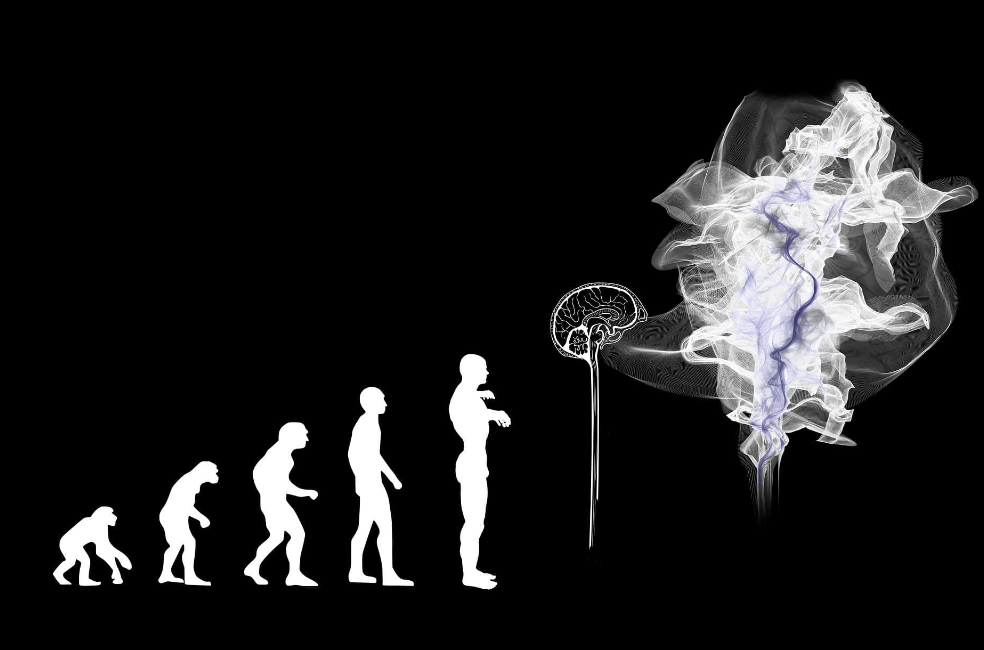
Artificial Intelligence – everyone seems to be talking about it all of a sudden! You’ve probably heard of ChatGPT – that’s probably the most well known AI around right now, but there are many more! AI as a term has been around since at least 70 years, and the idea of AI has been around for much longer than that. So what exactly is AI? Well, put simply, it’s the attempt to reproduce human intelligence through non-human means. To understand what we mean by that, let’s look at an example!

When you saw that picture you probably immediately recognized it as (a very cute) cat. You didn’t have to think about it either, you somehow immediately knew right? This ability, recognizing cats as cats and dogs as dogs, is called a cognitive process, and it would be really useful if we could teach computers how to do this!
That, in a nutshell, is the point of AI: can we teach computers to perform some tasks that humans take for granted, like recognizing animals or reading some words? Within that basic goal there are some tasks that are more complicated, like writing a text, and some are easier. So AI scientists came up with a way to try and divide up how to keep track of everything, let’s dive right in!

Study Room
The goal of this study room is to understand a working definition and a way to subdivide AI which will be a critical foundation for the next modules. You will also find some interesting interactive uses of AI in games and art!
Do you want to know more about what AI is, how it came about, and what its purpose is? Watch the following video.
Now that you have a sense of what AI is all about, let’s dive into how we try to divide AI into different levels of intelligence, specifically the artificial narrow intelligence (ANI/weak AI), the artificial general intelligence (Strong AI), and artificial super intelligence (ASI)
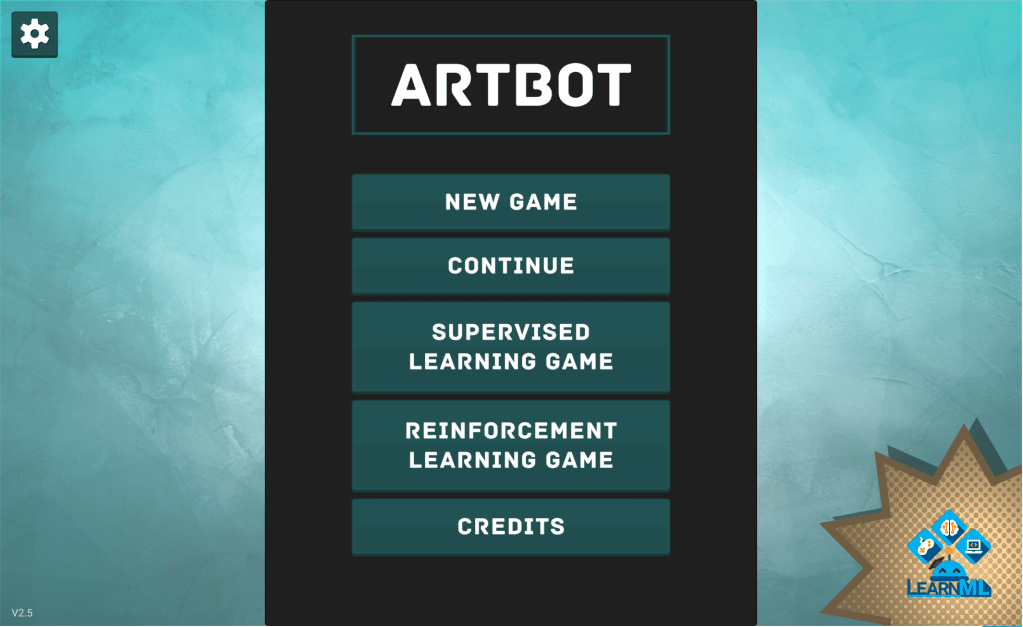
LearnML’s “ArtBot” is an interactive educational tool designed to teach users about machine learning (ML) algorithms through a puzzle solving game. You can play with an AI to discover stolen and lost art objects!
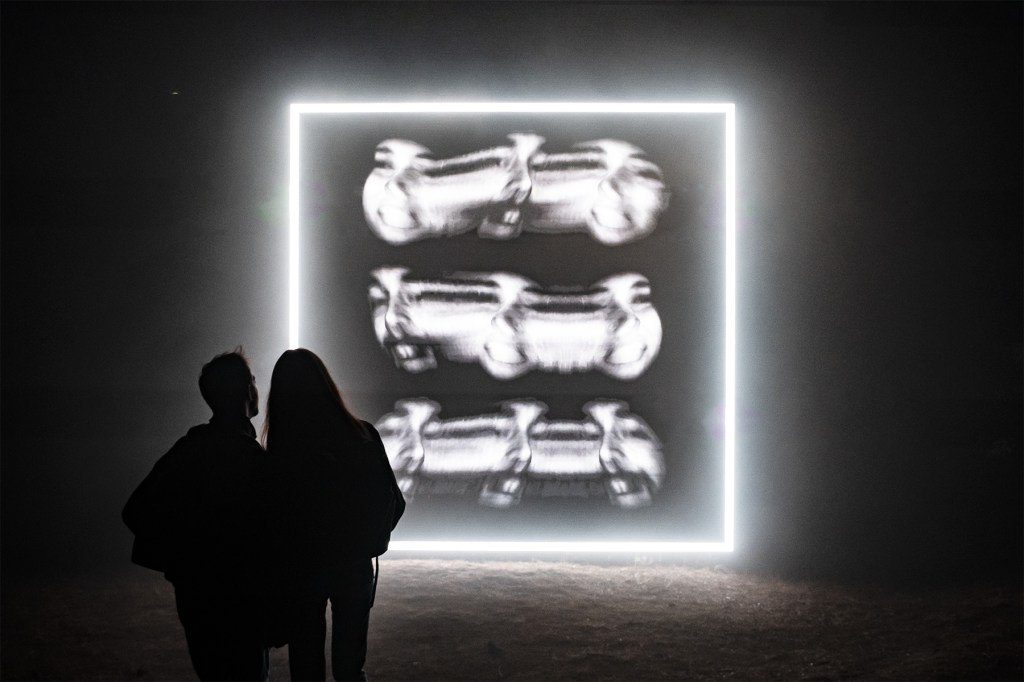
How is AI transforming art? Let’s look at an interesting example. The artwork “Faces” by iRegular explores human expression and identity through the digital lens of AI. It utilises AI to track the facial traits of participants standing in front of a screen. It then unifies and aligns these traits to create a changing 3D portrait of a single digital being.

Activity Room
Let’s see how far AI has come in the last few decades. Below you will find a list of capabilities of humans. Read it first and then ask yourselves – Is AI capable of carrying this out? Click on the button to reveal the answer!
Can AI draw a landscape painting?
Can AI defeat the world champion in chess?
Can AI perform a surgery on its own?
Can AI compose music?
Yes, AI can draw landscape painting. Check out this painting tool, among many others.
Yes, AI can defeat the world champion in chess. In 1997, world chess champion Garry Kasparaov was defeated in a chess game by an IBM supercomputer.
Not yet, but AI is getting closer to performing a surgery on its own. Watch this video to learn more about the use of AI in robotics surgery
Yes, AI can compose music. Read about how the world-famous band, The Beatles released their first song in nearly 30 years with the help of AI
Check out how a Korean studio is trying to recreate Freddie Mercury’s voice with AI
Gather a group of 4-5 people and let’s discuss the scenarios presented above to ascertain their implications. Here are some prompts to get your started:
If AI can produce music, and make Art, is it an artist? Who owns this art? Should such creative output make clear that it is generated by AI? If yes, why?
What benefits or risks do you see with AI performing surgery? Do you trust it? What aspects would you be confident or unsure about?
What did you think of Kasparov’ reflection of his game with Deep Blue? What do you make of human- machine collaboration? What are the criteria for such collaborations?

Reflection Room
In most languages AI is just directly translated as “artificial intelligence”. However, the Chinese the term for AI is 人工智能 (rengong zhineng) which separately are the characters for people人, work工, and wisdom智 and ability竜. Do you see how AI means so much more in Chinese – it directly conveys the concept of reproducing human ability and intelligence.
What is the term for AI in your language? Is it different from the English term? If so, how? And is it important?
How would you define intelligence?
Can only humans be intelligent?
Related Modules
Other Learner Modules
 CivicAI