The goal of this study room is to enhance an understanding of what is beyond AI, how it is developed, how it is sustained, and where it may go towards.The articles give clear insight into the size of Big Tech and their source of power. They also highlight the centrality of Big Tech within the political economy of AI and how there are no realistic ways of thinking about AI development and deployment that does not directly involve them.
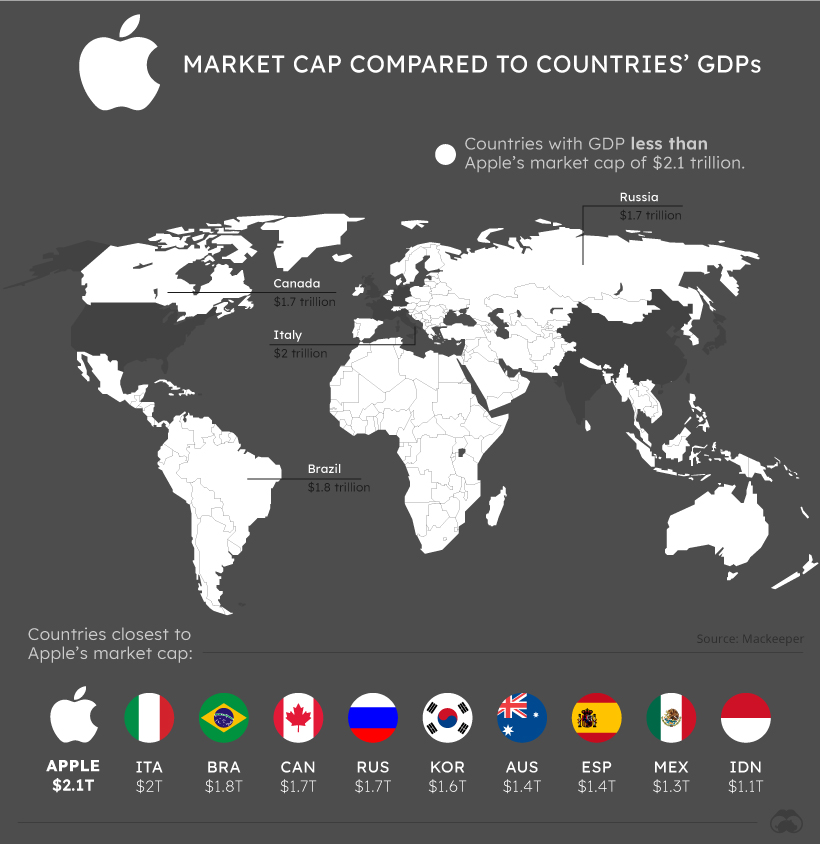
This article discusses how Big Tech companies are sometimes equivalent to large national economies in scope. It gives you a sense of the economic scale and power, and why they have the capacity and influence to shape the world around us.
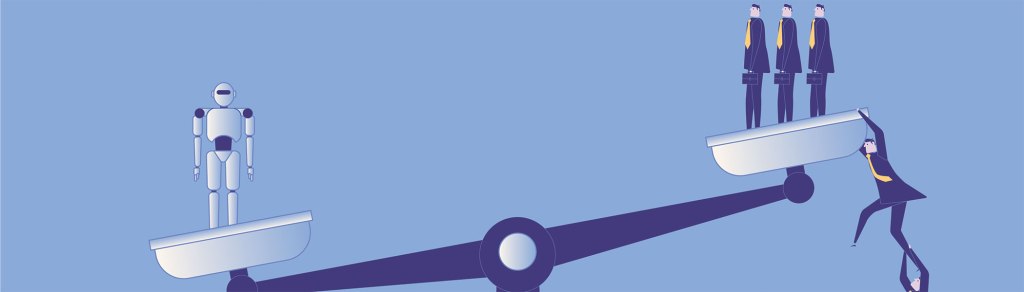
If you would like to know more, this blog post from the International Monetary Fund discusses the potential implications of AI on global economic inequality. It explores how AI technologies could exacerbate disparities between wealthy and impoverished nations if not properly managed, offering insights into the socioeconomic challenges posed by AI adoption.
In this article, we are introduced to how policy makers have attempted (and failed) to rein in big tech.
Take a look at the following video, which explores that there is real power in Big Tech companies, and that within the digital realm they are effectively unchallenged
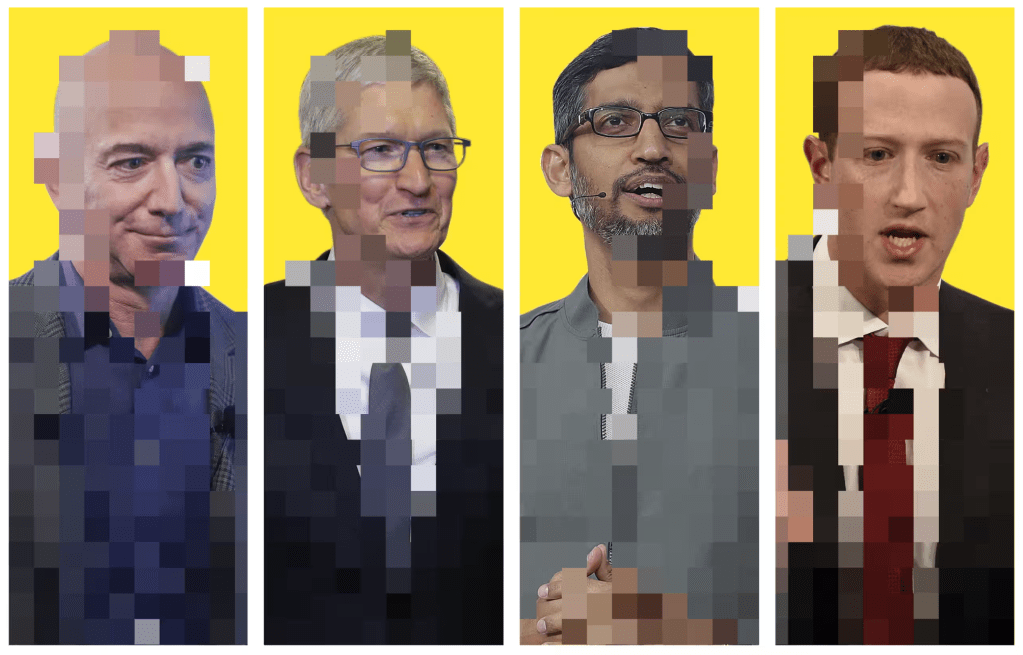
Big Tech firms like Google, Facebook, and Amazon wield significant control over AI research, development, and deployment. Check out the following piece in the MIT Technology Review which explores concerns about the concentration of power and the implications for innovation and competition in the AI landscape.
As a counter resource, the work of the Indigenous Protocol and AI working group develops new conceptual and practical approaches to building the next generation of AI systems.




 CivicAI