


Let’s

Inclusive AI Timeline Rewrite
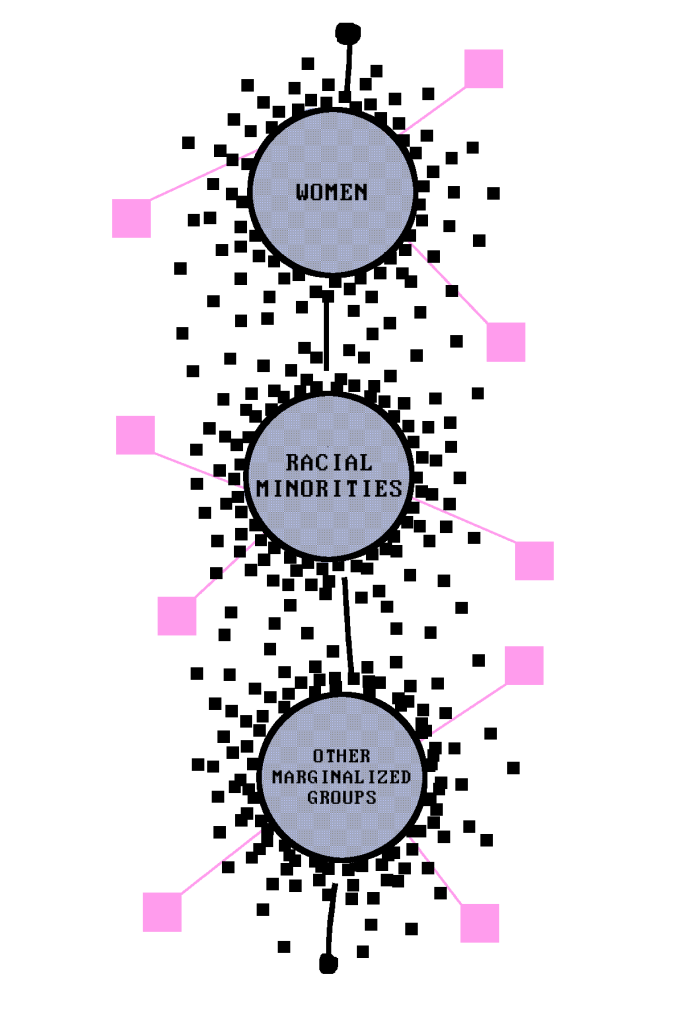
Objective: Encourage participants to create a more inclusive and diverse timeline of AI development by highlighting the contributions of individuals often underrepresented in the narrative, such as women, racial minorities, and other marginalized groups.
Materials Needed:
1. Whiteboard or large paper sheets
2. Markers, pens, or digital tools for drawing/writing
3. Reference materials on diverse contributors to AI (optional)
Moderation: This activity would be best suited to be carried out under the guidance of a moderator; this could be a teacher, a parent or a community leader.
Introduction
(10 mins)
Begin with a brief overview of the history of AI, emphasizing the key figures and milestones traditionally highlighted in mainstream narratives that you can refer to in the material provided in the Study Room.
Discussion
(15 minutes)
Facilitate a discussion on the importance of recognizing diverse contributions to AI and the potential impact of underrepresentation. Encourage participants to share any lesser-known stories they are aware of.
Brainstorming
(10 minutes)
Ask participants to brainstorm a list of individuals from underrepresented groups who have made significant contributions to AI. This can include scientists, researchers, engineers, and activists.
Timeline Creation
(30 minutes)
Divide participants into small groups or pairs. Provide each group with a section of the timeline (either specific years or decades) to focus on.
Research and Rewrite
(20 minutes)
Encourage participants to conduct brief research on the individuals they’ve identified and their contributions to AI. Participants should then rewrite the timeline, integrating the stories of these often-overlooked figures.
Group Presentation
(15 minutes)
Each group presents their revised timeline, explaining the importance of the added contributions and the impact of a more inclusive perspective on AI history.
Reflection and Discussion
(15 minutes)
Facilitate a group reflection on the activity. Discuss how incorporating diverse perspectives enhances our understanding of AI history and the potential benefits of a more inclusive narrative.
 CivicAI